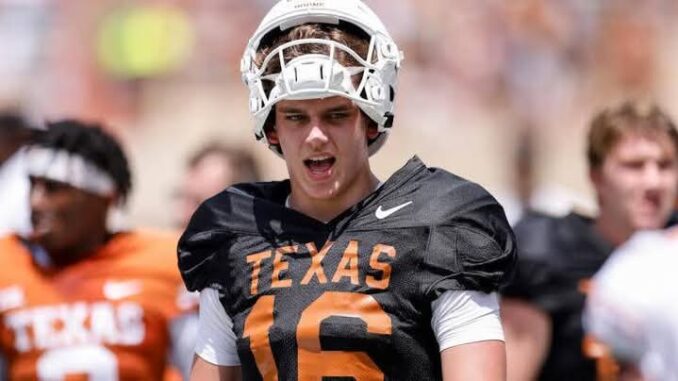
Arch Manning Inks Record-Breaking NIL Deal, Cementing His Status as a College Football Icon and a Potential Future NFL Superstar
A Historic Moment in Collegiate Athletics: The Impact of a Phenomenal Player and His Unprecedented Financial Partnership Will Resonate Throughout the NCAA Landscape
Austin, Texas – April 9, 2025 – In a move that has sent ripples throughout the collegiate athletics world and beyond, highly-anticipated Texas Longhorns quarterback Arch Manning has inked a groundbreaking new Name, Image, and Likeness (NIL) deal. Details remain shrouded in confidentiality, but industry insiders are already buzzing about the unprecedented financial commitment, poised to reshape the future of NIL agreements and potentially redefine the financial landscape of college sports.
The deal, which marks a significant escalation in the already-explosive world of NIL, reportedly dwarfs previous agreements, solidifying Manning’s position as not only a premier collegiate athlete but also a pivotal figure in the ongoing evolution of college athletics. While the specifics remain undisclosed, preliminary reports suggest a multi-year contract exceeding $10 million, potentially reaching or surpassing the previously undocumented financial heights in college sports.
Manning’s unique combination of prodigious talent, undeniable charisma, and a prominent family lineage, with his father and uncle having distinguished NFL careers, has attracted unprecedented interest from a constellation of major brands, both established corporate entities and burgeoning start-ups. This deal, which seemingly transcends the usual realm of athletic endorsements, signals a profound shift in the way collegiate athletes are perceived and valued.
The agreement transcends the traditional parameters of sponsorship, encompassing a wide array of brand partnerships and collaborative ventures. The scope of the deal is anticipated to encompass diverse sectors, potentially including apparel, technology, food, entertainment, and even philanthropic endeavors. Multiple sources suggest that this unique approach is reflective of a broader trend toward multifaceted brand partnerships, designed to cater to the evolving desires of both Manning and the brands seeking to associate themselves with his burgeoning image.
This significant NIL deal has ignited fervent debate among sports commentators, academics, and stakeholders across the NCAA. Critics raise concerns about the potential for excessive financial influence and its impact on the integrity and fairness of intercollegiate competition. They warn that such high-value agreements could exacerbate existing inequalities and create a system where the most commercially successful athletes become disproportionately influential. However, proponents argue that this innovative approach allows athletes to monetize their unique abilities and build sustainable careers, aligning with the broader economic realities of contemporary society.
Furthermore, the deal carries significant implications for the future of NIL legislation across the country. The sheer size and scope of Manning’s agreement serve as a powerful testament to the ever-growing market value of collegiate athletes. This new paradigm necessitates a nuanced and informed approach to NIL regulations, one that balances the athletes’ right to compensation with the broader goals of preserving academic integrity and upholding the principles of fair competition.
The Manning family, with its deep-seated tradition of excellence both on and off the field, has demonstrated a profound understanding of these nuances. Arch Manning’s decision to leverage his platform responsibly is anticipated to set a new precedent for how high-profile athletes engage with the burgeoning NIL landscape. The deal is more than just a financial arrangement; it’s a carefully crafted strategy for maximizing future opportunities, positioning Manning as a pivotal figure in shaping the future of collegiate athletics.
The deal’s impact extends beyond the realm of sports. Industry leaders are anticipating a surge of innovative collaborations and a ripple effect across the wider spectrum of the business world, with other athletes and teams vying to replicate the strategy’s success. This potential proliferation of large NIL deals could further accelerate the transformation of college sports into a dynamic ecosystem that seamlessly blends athletics, commerce, and broader societal values.
This unprecedented agreement is not just a testament to Arch Manning’s extraordinary potential, but a watershed moment for the entire collegiate athletic scene. It signifies a new era where athletes are recognized not only for their on-field prowess but also for their burgeoning market value and the strategic influence they hold in the wider world. The future of college sports, and perhaps even beyond, seems irrevocably intertwined with this revolutionary transaction. The question now shifts to how the rest of the collegiate landscape will adapt and respond to this seismic shift in the dynamic relationship between athletes, institutions, and commercial interests. The eyes of the world are on Austin, Texas, and on Arch Manning, as he embarks on this new chapter, both on and off the field.
Leave a Reply