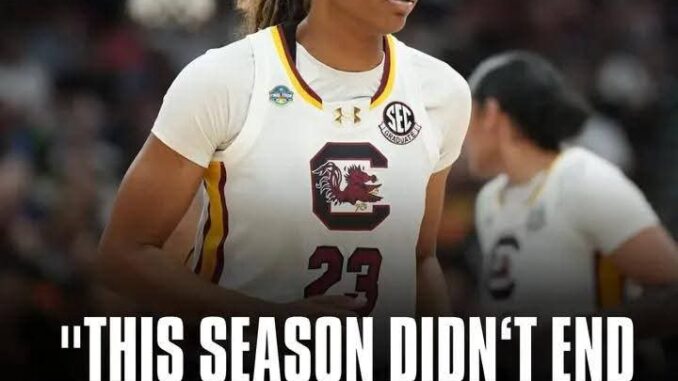
## South Carolina Gamecock Guard Bree Hall Faces TikTok Firestorm After UConn Debacle: A Deep Dive into the Pressure Cooker of Social Media, Collegiate Athletics, and the Human Cost of Online Hate
**Columbia, SC – April 10, 2025** – The intense pressure cooker of collegiate athletics exploded onto the digital stage this week, as South Carolina Gamecock junior guard Bree Hall bravely addressed a torrent of online criticism following her team’s devastating 87-58 loss to the UConn Huskies on February 16th. The aftermath of the game, however, transcended the traditional post-game analysis and player accountability often seen in sports. Instead, it showcased the raw, often brutal, reality of social media’s impact on young athletes, particularly women navigating the pressures of high-profile competition.
The viral backlash against Hall manifested primarily on TikTok, where a cascade of negative comments, ranging from disappointment to outright personal attacks, flooded the platform. While some critiques focused on Hall’s performance on the court, many comments veered into unacceptable territory, targeting her appearance, character, and even her family. The intensity and vitriol directed at the young athlete sparked a widespread conversation about the ethical boundaries of online engagement and the pervasive issue of cyberbullying in the realm of sports.
In a powerful statement released today (link to the article provided above), Hall addressed the situation with a mixture of vulnerability and resilience. The full text of her statement can be found at [link to article]. In essence, she acknowledged the disappointment surrounding the UConn game, expressing her own personal regret over the team’s performance. However, she vehemently denounced the personal attacks and online harassment, highlighting the emotional toll these comments took on not only herself but also her family and friends.
Hall’s response was not simply a defensive reaction to criticism; it was a call for greater responsibility and empathy in the digital sphere. She implored fans to remember that athletes are human beings, susceptible to the same emotional vulnerabilities as anyone else. She emphasized the need for constructive criticism, separating genuine feedback on performance from personal attacks that serve only to inflict harm. Her message resonated with many, sparking a wave of support on social media from other athletes, coaches, and fans who championed her strength and called for an end to online toxicity.
This incident raises significant questions about the role of social media in modern sports. While platforms like TikTok offer athletes the opportunity to connect directly with fans and build their personal brands, they also open the door to unfiltered negativity and abuse. The anonymity afforded by the internet often emboldens users to express opinions they might never voice in person, resulting in a climate of fear and intimidation for athletes already facing enormous pressure to perform at the highest level.
The case of Bree Hall serves as a stark reminder of the human cost of online hate. It highlights the urgent need for social media platforms to implement more robust measures to prevent and address cyberbullying, and for fans to engage with athletes in a respectful and constructive manner. The future of athlete-fan interaction hinges on fostering a digital environment that celebrates athletic achievement while prioritizing the well-being of the individuals involved.
The University of South Carolina has also released a statement expressing its unwavering support for Bree Hall and condemning the online harassment she has faced. The university has committed to working with its athletes to equip them with resources and strategies for navigating the challenges of social media. The university’s proactive response is a commendable step towards creating a safer environment for its student-athletes and underscores the importance of institutional support in these situations.
This incident extends beyond the confines of South Carolina’s athletics program. It underscores a much broader societal issue of online safety and responsibility. The pervasiveness of social media in our daily lives means that athletes, like other public figures, are increasingly exposed to the potential for online abuse. The experience of Bree Hall serves as a cautionary tale, urging all parties – athletes, fans, social media companies, and educational institutions – to engage in proactive measures to curb online harassment and promote a healthier digital landscape. Only through collective action can we create an environment where athletes can thrive without the fear of constant online attacks. The conversation sparked by Bree Hall’s courageous statement is far from over, and it’s a conversatin that desperately needs to continue.
Leave a Reply