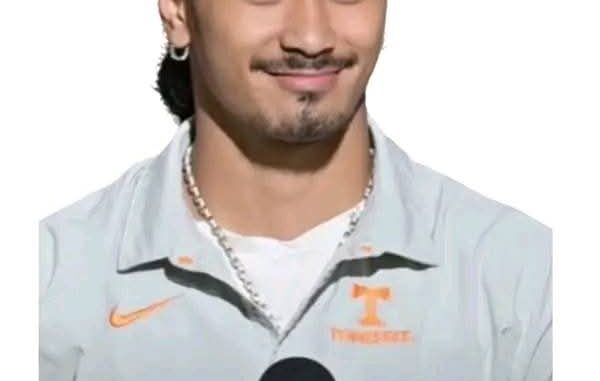
Tennessee Quarterback Nico Iamaleava Makes Headlines by Turning Down Record $5.5 Million NIL Offer from Major Rivals Florida and Texas, Vowing Loyalty to Volunteers and Shaking Up College Football’s Landscape
In a move that has taken the college football world by storm, Tennessee Volunteers quarterback Nico Iamaleava has turned down an astonishing $5.5 million name, image, and likeness (NIL) offer from major rival programs Florida and Texas, affirming his commitment to stay with the Volunteers. This unexpected decision by the highly-touted prospect, widely regarded as one of the best players in the nation, has not only delighted Volunteers fans but has also sparked conversations about the evolving dynamics of college athletics and the implications of NIL negotiations.
Iamaleava, who burst onto the college football scene as a freshman, has demonstrated remarkable talent on the field, propelling the Volunteers into national contention. His combination of athleticism, precision passing, and leadership qualities have made him a player to watch. Now, with his decision to reject a lucrative NIL deal that could have provided him with financial security and professional endorsements, Iamaleava is signaling a deeper commitment to his team and the University of Tennessee.
The NIL landscape has drastically changed in recent years, allowing student-athletes to monetize their personal brands and capitalize on their marketability. The hefty offer from Florida and Texas, two powerhouses in college football, is indicative of the intense competition among programs to secure top talent via financial incentives. However, Iamaleava’s decision to remain a Volunteer reflects a growing trend where some players prioritize loyalty and team spirit over immediate financial gain.
In a statement reflecting his mindset, Iamaleava expressed his gratitude for the opportunities presented to him but emphasized his dedication to the Volunteers. “I have no plans beyond being a Vol,” he said, reinforcing his intention to continue wearing the orange and white and compete for championships with his teammates. Such a declaration is rare in an era characterized by players frequently shifting allegiances for better offers, and it resonates especially strongly at a time when maintaining team cohesion is crucial for success on the field.
Iamaleava’s choice raises several important questions about the future of college football. As the sport grapples with the intersection of athletics and economics, how will student-athletes weigh loyalty against significant financial incentives? Will more players follow Iamaleava’s lead, or will they be lured away by lucrative opportunities? The dynamics within college football are shifting rapidly, but Iamaleava’s commitment may inspire other athletes to consider the long-term ramifications of their decisions.
From a fan perspective, Iamaleava’s choice has generated excitement and hope for the Volunteers’ future. His presence at Tennessee signals a time of revival for a program that has seen its share of ups and downs. Fans are now looking ahead to the upcoming season with renewed optimism, as Iamaleava looks poised to take a leading role in what could be a transformative year for the team. His ability to connect with fans through social media and community engagement is also a testament to his understanding of the significance of student-athletes as role models in their local communities.
Additionally, this decision could have ramifications beyond the field. Iamaleava embodies the values of commitment and perseverance that many University of Tennessee alumni wish to promote. By choosing loyalty to his team over immediate monetary gains, he may facilitate a shift in culture among student-athletes, emphasizing the bond forged in college sports and the importance of community building.
Meanwhile, the offers from Florida and Texas also highlight the aggressive nature by which these programs are trying to elevate their rosters through NIL strategies. As they are often seen as perennial contenders for national championships, their willingness to invest heavily in top talent speaks volumes about their commitment to success. However, this face-off for Iamaleava’s allegiance has ended with the Volunteers emerging victorious—not through traditional recruitment methods, but through fostering an environment where athletes feel valued and connected to their teams.
In conclusion, Nico Iamaleava’s decision to reject a staggering $5.5 million NIL offer illustrates the complexities surrounding loyalty, collegiate athletics, and financial opportunities. As college football continues to navigate these uncharted waters, his choice is poised to reshape the conversation about what it means to be a student-athlete in today’s world, and it underscores the idea that, for some, the love of the game and commitment to a team still outweigh the allure of money. For the Tennessee Volunteers, this decision is a hopeful sign of stability and competitiveness as they prepare for a promising season ahead.
Leave a Reply