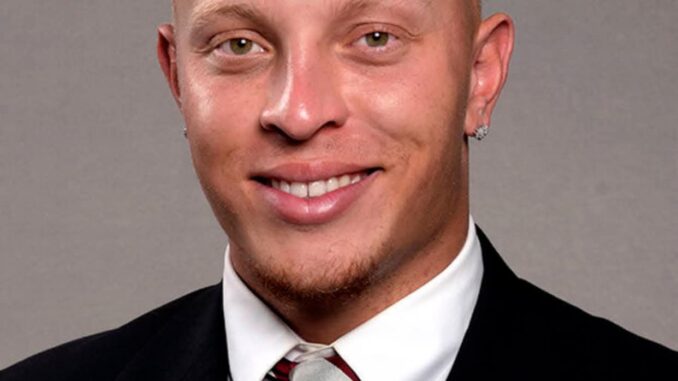
HERO OFF THE FIELD: South Carolina Gamecocks Quarterback Spencer Rattler Stuns Nation by Donating Entire $20 Million NFL Signing Bonus to Combat Homelessness in Bold, Compassionate Move That Redefines Modern Athlete’s Legacy
In a time when professional sports are often dominated by headlines about flashy endorsements, lavish lifestyles, and multimillion-dollar deals, one young athlete has chosen to blaze a path few ever consider. Spencer Rattler, the standout quarterback from the University of South Carolina and recent NFL draftee, has stunned the sports world and beyond with an unprecedented act of generosity: donating his entire $20 million signing bonus to fight homelessness in the United States.
Yes, you read that right. Every single dollar.
The 24-year-old quarterback, who recently signed with an undisclosed NFL team during the 2025 NFL Draft season, made the surprise announcement during a press conference on Monday afternoon. What began as a routine media appearance to celebrate his draft and transition into the professional league quickly turned emotional and historical as Rattler revealed his life-altering decision.
> “I’ve been blessed beyond measure to reach this point in my life,” Rattler began. “But it means nothing if I can’t use this platform to make life better for others. There are thousands of people sleeping on cold concrete, struggling with addiction, trauma, and hunger—while I was signing papers for millions. I knew I had to do something radical.”
The announcement sent shockwaves across social media and mainstream news outlets. Within hours, “Spencer Rattler” and hashtags like #RattlerForChange and #QuarterbackOfThePeople were trending worldwide.
According to Rattler, the full $20 million bonus has been redirected to a new foundation he’s launching—The 7th Chance Foundation (named after his jersey number at South Carolina). The organization will focus on building transitional housing, funding mental health services, and offering job training programs in urban and rural areas hardest hit by homelessness.
His agents and advisors were initially hesitant about the move, he admitted.
> “People thought I was crazy,” Rattler said, smiling. “Some of them tried to talk me out of it. But for me, this wasn’t about being comfortable. It’s about being useful.”
The foundation is already set to launch pilot programs in Columbia, South Carolina; Phoenix, Arizona (his hometown); and parts of Los Angeles. Early partners include several non-profits, faith-based coalitions, and mental health advocacy groups.
A DIFFERENT BREED OF STAR
Rattler’s college football career was one of redemption and transformation. After a rocky start at Oklahoma, he transferred to South Carolina and quickly emerged as a leader both on and off the field. Under his guidance, the Gamecocks saw a resurgence, with Rattler setting multiple records and earning SEC honors.
But it wasn’t just his arm strength or on-field poise that won hearts—Rattler became known for volunteering at shelters, visiting schools, and being outspoken about the need for student-athletes to give back.
His college coach, Shane Beamer, expressed immense pride:
> “Spencer was never just about football. He’s always had a bigger purpose. This is the kind of man he is.”
NFL COMMUNITY RESPONDS
Reactions from the NFL community have been swift and overwhelmingly supportive. League commissioner Roger Goodell called it “a defining moment for the league,” while veteran players like J.J. Watt and Patrick Mahomes praised Rattler for setting a new standard.
> “It’s easy to spend money,” Mahomes tweeted. “But it takes real guts and heart to give it all away. Respect to Spencer.”
Even NBA stars like LeBron James chimed in, saying Rattler’s move was “the real MVP kind of energy.”
A MOVEMENT IN THE MAKING?
Economists and philanthropy experts are already discussing the potential ripple effects. Could this mark the beginning of a cultural shift among wealthy athletes? Could more players be inspired to allocate significant portions of their earnings to meaningful causes?
Dr. Alicia Morgan, a professor of Sports Ethics at UCLA, believes it could:
> “This kind of visibility is powerful. Spencer’s not just giving money—he’s giving a blueprint. Athletes influence millions. And when they use their platform like this, the social impact is immeasurable.”
A PERSONAL MISSION
Rattler shared that part of his motivation stemmed from a personal experience during his teenage years, when his family briefly took in a friend who had become homeless after his mother’s eviction. That moment stuck with him for life.
> “I saw how fast life can change. We think it can’t happen to us—until it does.”
When asked if he would regret the decision later, Rattler didn’t flinch.
> “I still have a contract. I’ll be okay. And even if I wasn’t, I’d still do it again.”
Spencer Rattler’s story isn’t just about football anymore. It’s about legacy. It’s about using the roar of the crowd to amplify the voices too often ignored. It’s about rewriting what it means to win—not just games, but in life.
And if his first act as a professional athlete is any indication, the league—and the world—just gained more than a quarterback. It gained a leader.
Leave a Reply